
Dyed diesel updates
Understand the full impact before making a change
The executive order, which has still not been approved by the federal government, is primarily intended to provide temporary flexibility for farmers, truckers and related businesses moving commodities and equipment during harvest. It may be most beneficial to operations that already have dedicated dyed diesel storage and infrastructure in place.
For many customers, there are important operational, financial and compliance considerations that should be carefully evaluated before making changes.
Important considerations
The tax may still be owed.
A payment deferral or penalty waiver is not the same as tax forgiveness. Treasury and IRS guidance will ultimately determine what relief is available, who qualifies and when any deferred tax obligation may become due.
State requirements may differ.
Federal guidance does not automatically change state requirements, and state waivers do not necessarily address federal obligations. Customers operating across multiple states should understand the requirements that apply in each jurisdiction.
Residual dye can remain after the fuel is removed.
Red dye may remain in storage tanks, piping, dispensers and vehicle fuel systems long after dyed fuel has been used.
Returning to clear diesel service may be costly and time-consuming.
Storage tanks and fuel systems may require fuel removal, cleaning, flushing, testing or other corrective actions before they can return to clear diesel service. These activities may result in downtime, disposal costs and additional operational expense.
The customer remains responsible for compliance.
Fuel-use decisions, tax obligations and compliance responsibilities remain with the end user. Customers should consult qualified tax, legal and regulatory professionals before making operational changes.
Information for Automated Fuel Delivery (AFD) customers
Many customers have asked whether they can replace clear diesel with dyed diesel as a result of the executive order.
Our current approach is as follows:
- We will continue supplying fuel through normal channels.
- We are not pumping out customer tanks and replacing clear diesel with dyed diesel. Ownership of the fuel is legally transferred on delivery, despite the deferred billing.
- We are not converting customer tanks or equipment for temporary dyed diesel use.
- Customers are responsible for determining whether dyed diesel use is appropriate for their operation and for understanding any associated tax, regulatory and compliance obligations.
Customers should also carefully consider the future implications of switching fuel products. Any fuel removal, tank cleaning, flushing, testing, system modifications or other work required to return equipment to clear diesel service remains the responsibility of the customer.
Information for ag retail customers
The recent federal action may provide temporary flexibility for certain agricultural operations, particularly those that already maintain dedicated dyed diesel storage and infrastructure.
Customers considering changes to existing clear diesel storage should carefully evaluate the long-term operational and compliance impacts before proceeding.
Please note:
- We are not pumping out customer tanks and replacing clear diesel with dyed diesel.
- We are not converting customer tanks, fuel systems or storage infrastructure for temporary dyed diesel use.
- We will continue supplying dyed and clear diesel products through normal channels where available.
- Customers should consult qualified tax, legal and regulatory advisors before making fuel-use decisions.
Returning tanks to clear diesel service
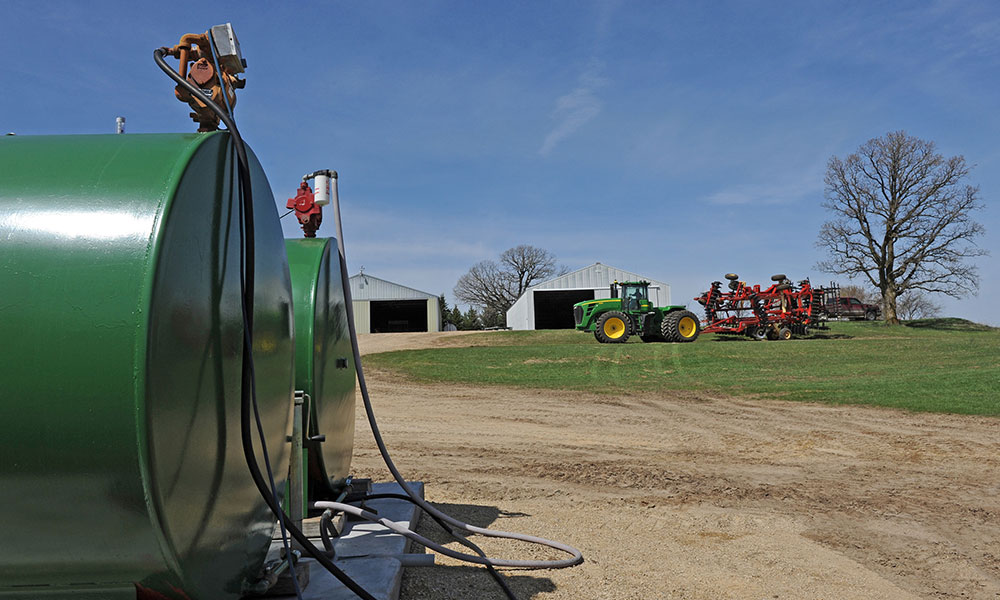
Customers should understand that simply removing dyed fuel may not be sufficient to return a tank or fuel system to clear diesel service.
Residual dye can remain in tanks, piping, dispensers and equipment after use. Depending on the system and level of contamination, fuel removal, cleaning, flushing, testing or other corrective measures may be necessary.
Before CHS refills a tank with clear diesel, the tank and associated equipment must be returned to a condition that meets applicable requirements. Any costs associated with returning tanks or equipment to compliant clear diesel service are the responsibility of the customer.
Frequently asked questions (FAQs)
No. Federal implementation guidance is still pending, and state requirements continue to vary. Customers should not assume dyed diesel may be used in any vehicle, state or operating condition.
No. At this time, no tax forgiveness has been approved. Federal agencies are evaluating what relief may be legally available and how it would be implemented.
Residual dye can remain in tanks, fuel systems and dispensing equipment after the fuel itself has been removed. Returning equipment to clear diesel service may require cleaning, flushing, testing and other corrective actions. Fuel tested from a contaminated tank may not meet clear diesel specs which could incur steep penalties for customers.
No. CHS is not pumping out clear diesel, converting tanks or replacing customer inventories as part of this temporary situation.
Customers should consult their own qualified tax, legal and regulatory advisors before making fuel-use decisions. CHS can provide high-level information but cannot make compliance determinations on behalf of customers.
We will continue providing updates
This situation continues to evolve at both the federal and state levels. CHS will continue monitoring guidance from federal and state agencies and will update this page as new information becomes available.
This information is provided for general informational purposes only and should not be considered tax, legal or regulatory advice.