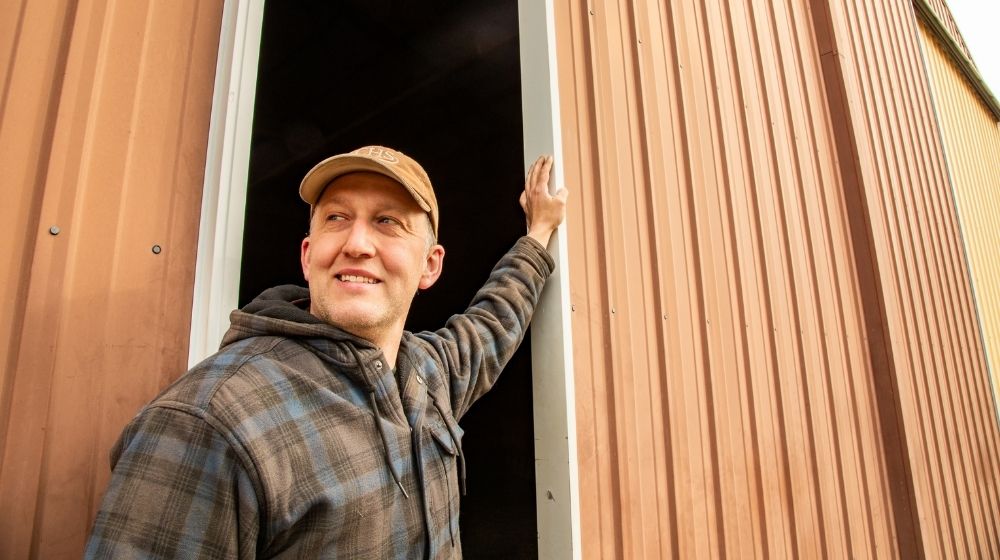
Organic grower Ron Rabou found help from Ardent Mills several years ago as he searched for a market for his wheat. The Albin, Wyo., grower was working to bring new life to acres that were routinely pummeled with heat, drought and high winds.
“We’re at 5,300 feet elevation and we get just 14 to 16 inches of precipitation a year, much of it coming as snow,” says Rabou. Sandy soils and dry, windy conditions often lead to wind erosion, regardless of cropping practices. Stripcropping with advice from the USDA Natural Resources Conservation Service (NCRS) helps conserve moisture while allowing some tillage to manage weeds.
“I was scared of the organic market at the beginning because I didn’t understand how it worked,” he says. “We had to build the operation over time, investing in equipment, land, buildings and storage. If it weren’t for Ardent Mills, this farm wouldn’t be here, because I didn’t know where to sell organic wheat.”
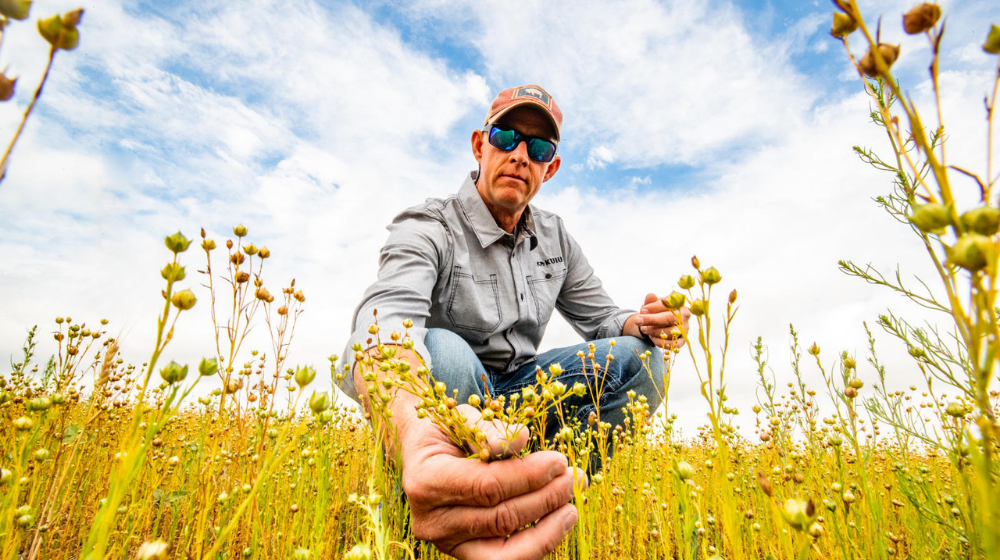
Since then, Rabou has permanently added chickpeas (garbanzo beans or “garbs”), flax for flaxseed, buckwheat and proso millet to his rotation and has tried mustard, sorghum and grain hemp. “We developed a business model based on consumer demand. I’ll find a market for something and work with buyers to come up with a price, then run a cash flow analysis. If I think I can make money with it, I’ll give it a shot.”
Maintaining soil fertility is paramount, Rabou says. “Chickpeas and other legumes naturally help with that. If you get the chickpea seed inoculated properly and it develops the nodes it needs, it fixes nitrogen in the soil.”
Rabou credits Ardent Mills with showing him how to successfully grow organic chickpeas, including minimum soil temperature for planting, plant populations and weed-control techniques. Rabou Farms is now the largest grower of organic chickpeas in Wyoming and the state’s only or largest organic grower of several other crops.
“We haven’t focused on getting big, but on doing a good job,” Rabou says. “How can we do a better job with the land we have? How can we make it more productive? I’ve tried to mitigate as much risk as possible by diversifying our rotation. Over the last 15 years, we have developed the philosophy of moisture conservation while keeping plant residue on the surface, which helps hold our soil.”