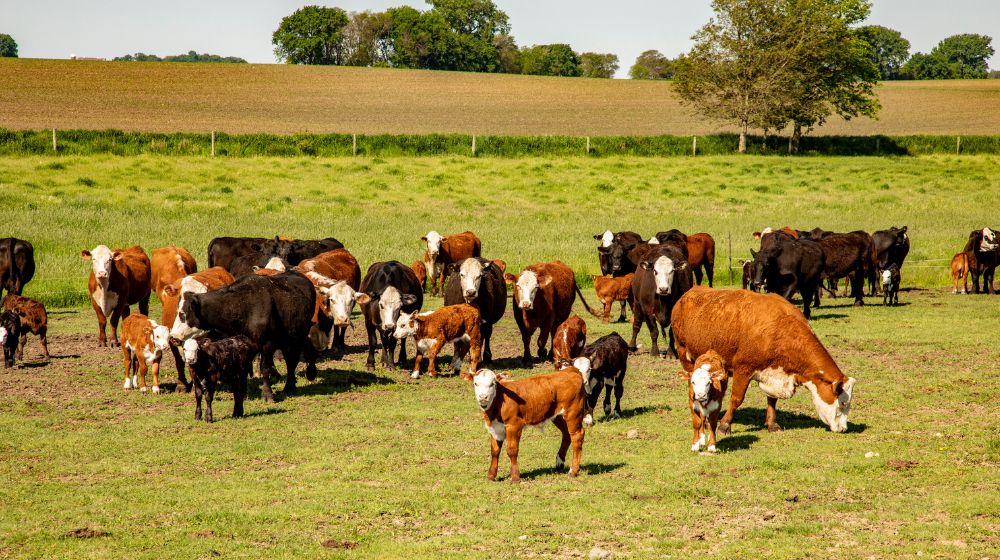
In many rural communities, the co-op is part of the rhythm of everyday life – the grain elevator rises on the horizon, co-op employees make stops in farm fields and the co-op’s support is visible at county fairs and other community events throughout the year.
Because cooperatives have always been part of the landscape, it can be easy to take them for granted, but the cooperative model is no less important today than when forward-looking farmers and ranchers created the first ag co-ops a century ago.
In October, as we celebrate Co-op Month, I am reflecting on how cooperatives have evolved to meet the needs of their owners and the communities they serve. That evolution over the past century has helped farm and ranch families succeed and has helped build more resilient, stable communities across America.
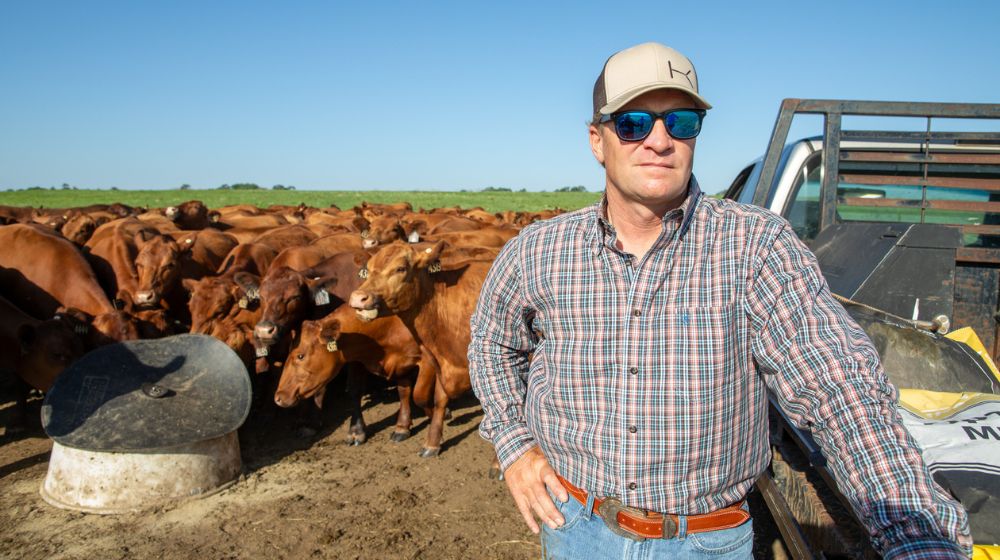
In my home operation in southern Kansas, the co-op has been a long-term supplier of inputs and grain marketing services. It was only after I came back to the operation after pursuing education beyond high school that I truly grasped just how critical a vibrant, evolving cooperative is to the owners and communities it serves.
As a young leader elected to my co-op board of directors, I saw firsthand how the co-op gives back to the community. That inspired my passion to be part of the future of the cooperative system.
Now, the co-op is an extension of our fifth-generation family farm. While the cooperative team has to earn my business just like any other supplier, the difference is that as a co-op owner, I have equity in the company. Relying on our co-op is the truest form of keeping business local and the profits go back to the co-op owners to grow their own businesses and support their communities.
Cooperatives were built on the principle of doing more together than one person can do alone. This collective strength has powered agriculture for generations. Because I am part of a co-op connected with CHS, I am connected to a world of opportunities with a company focused on creating value for its owners. That’s the cooperative difference.
As the nation’s largest farmer-owned cooperative, CHS has for generations brought value through patronage back to our owners and their communities. When intended cash returns to owners are complete in 2026, CHS will have returned nearly $2.6 billion to our owners over the previous five years. Those dollars are reinvested by CHS owners to strengthen rural communities.
CHS is also investing for the future – in facilities and capabilities that will serve farm and ranch families for decades and bring quality jobs and economic viability to communities. Co-ops embrace that kind of long-term thinking because they were created for farmers, by farmers.
U.S. farmers and ranchers face many challenges today, from shifts in demand for the commodities we produce to volatile weather, changing policy and more. As we look to the future for our family businesses and the next generation of ag leaders, cooperative ownership will help us navigate those challenges together.
Cooperatives are a valuable part of America’s past, and they will help lead us into a bright future. Together, we are strengthening the places we call home and building a better world.