
Gasoline blended with 15% ethanol, known as E15, helps build demand for U.S.-grown crops, particularly corn. However, the impact that E15 can have on domestic demand for corn depends on policy decisions, fuel use trends and overall grain market conditions.
E15 is not new, but its year-round availability currently varies by market and relies on annual summer approvals. These federal fuel rules, as well as retail infrastructure and consumer demand, all influence whether E15 can be accessed at the pump. Those factors matter because ethanol is a major domestic market for corn and an important part of the rural economy.
Ethanol is a key market for U.S. corn
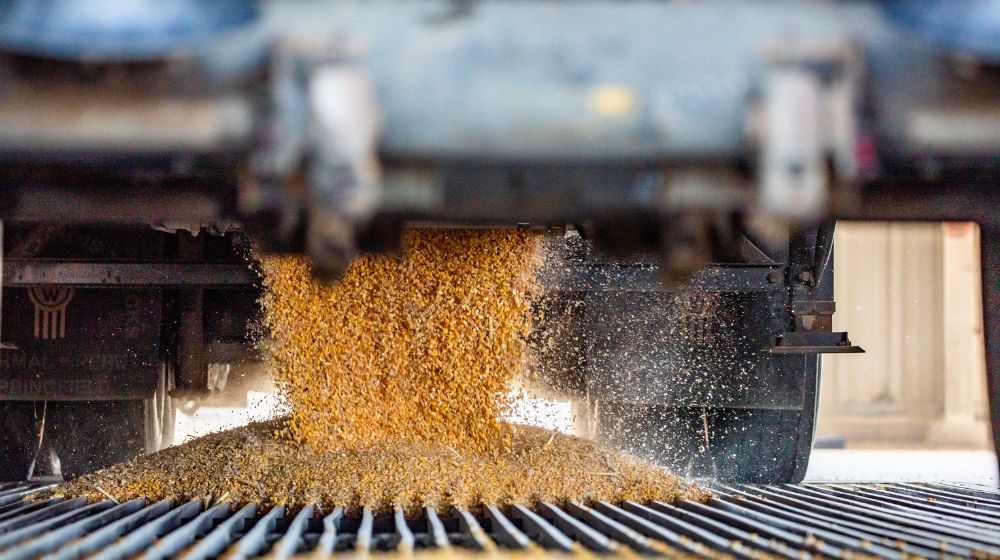
Ethanol production is one of the largest domestic uses of corn. According to the U.S. Department of Agriculture Economic Research Service, U.S. corn used for fuel ethanol totaled 5.4 billion bushels, representing about a third of national corn production. The USDA also reported that U.S. fuel ethanol exports reached a record 2.19 billion gallons during the same marketing year.
Demand for ethanol has remained relatively stable even as U.S. production has increased. At the same time, total corn supply has grown, including recent crop years exceeding 18.6 billion bushels, contributing to higher corn inventory and pressure on crop prices.
Ethanol represents one of the largest and most consistent domestic demand drivers for American farmers.
Moving from E10 to E15 grows corn demand in the U.S.
Most fuel in the U.S. today contains about 10% ethanol (E10). E15 increases that blend to 15%, which can substantially increase demand for U.S. corn. Each percentage point increase in ethanol blending could translate to demand for roughly 450 million bushels of corn, depending on fuel consumption and market conditions.
At the same time, U.S. gasoline demand is forecasted to gradually decline over the long term due to improved fuel efficiency and vehicle electrification. Higher blends like E15 can influence how much ethanol — and therefore corn — is used within a smaller total fuel market.
Ethanol also produces feed and fuel byproducts
The ethanol value chain extends beyond fuel. Ethanol production also generates byproducts used in livestock feed and other markets.
The Renewable Fuels Association, a major trade association representing ethanol producers, estimated that U.S. ethanol biorefineries produced more than 35 million metric tons of feed byproducts in 2025, including distillers grains, corn gluten feed and corn gluten meal. These products are used by beef, dairy, swine and poultry producers.
Ethanol production also generates distillers corn oil, which is used in renewable diesel, biodiesel, sustainable aviation fuel and animal feed markets.
What to watch
E15 availability will continue to be shaped by several factors:
- Federal and state fuel policy: EPA waivers and state-level fuel rules currently determine where and when E15 can be sold, but if Congress would pass a nationwide year-round E15 law, it would provide more certainty for retailers.
- Retail infrastructure investments: Adding E15 as an option at a retail station may require capital investment in compatible storage tanks and dispensers, compliance with labeling requirements and available supply at nearby bulk fuel terminals.
- Consumer awareness and education: Drivers need clear information about vehicle compatibility, fuel pricing and product labeling.
- Corn supply and ethanol economics: Corn prices, ethanol margins, gasoline demand and export markets all influence ethanol production and demand.
- Broader renewable fuels policy: Policies affecting renewable diesel, biodiesel, sustainable aviation fuel and low-carbon fuel markets can also affect demand for agricultural feedstocks, including corn oil and soybean oil.
Bottom line: E15 is good for U.S. farmers
Growth in E15 is important to U.S. farmers because it can expand domestic demand for U.S.-grown corn. The size of that impact depends on consistent policy, retail availability, fuel economics and consumer adoption.
As E15 policy grows in priority for legislators, more retailers offer E15 and more consumers understand when and how to use it, higher ethanol blends can play a larger role in connecting U.S. crop production with domestic energy demand.