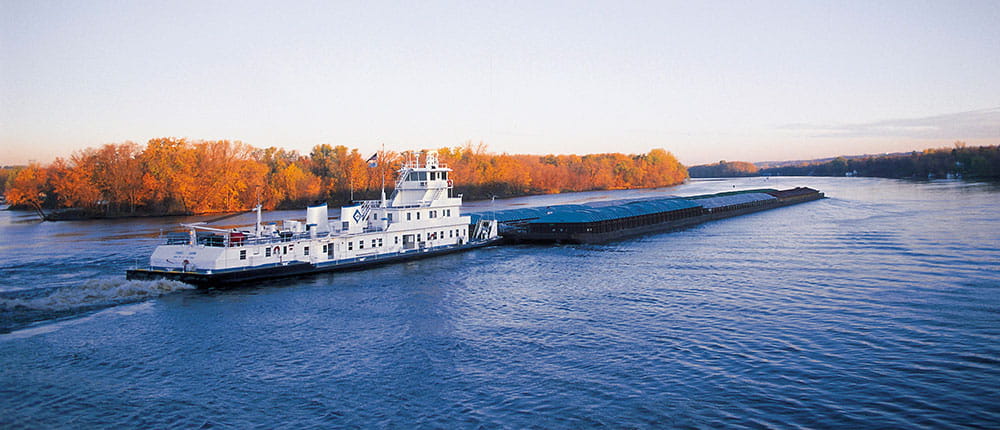
Barge traffic is the most efficient way to move grain and fertilizer in the U.S., but recent traffic disruptions during the peak harvest and fall application season could present challenges for farmers. Ben Doane, barge freight manager at CHS, says growers should work with their grain and fertilizer representatives to plan for longer lead times and potentially higher shipping costs as the supply chain adjusts.
The Mississippi River corridor is a critical link between producers and global markets and suppliers, but drought conditions have water levels at record lows. That’s causing navigational difficulties, particularly in the Memphis South corridor, which every northbound and southbound barge must travel through.
“Without that corridor, we don't have a reliable river system transportation infrastructure. We have overloaded barges, boats trapped in queues and intermittent river closures,” explains Doane.
Explore other topics on Around the Table, a program that discusses current ag topics and shares the benefits of being connected to an organization where decisions are made by the people who own it.


